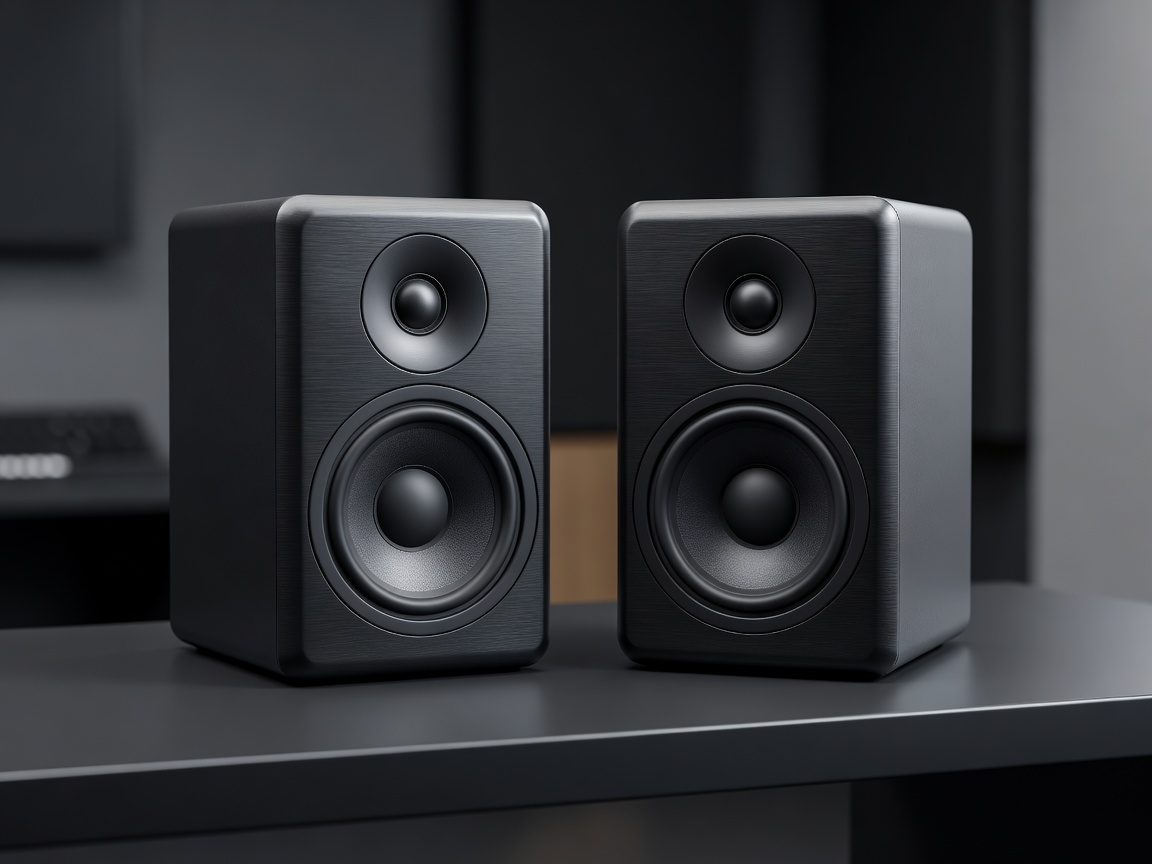
Audio: Balancing the Mix
If the audio fails, the video fails. Execute precise EQ roll-offs, aggressive peak limiting, and strict LUFS compliance for your target platform.
Loudness Standards (LUFS)
Peak meters are obsolete for measuring perceived loudness. You must mix using Loudness Units relative to Full Scale (LUFS). Delivering outside platform specifications will result in algorithmic volume attenuation (clipping your transients) or an exceptionally quiet video.
| Platform | Target Integrated Loudness | True Peak Max |
|---|---|---|
| YouTube / Web | -14 LUFS | -1.0 dBTP |
| Broadcast Television | -23 LUFS (EBU R128) | -1.0 dBTP |
| Cinema DCP | 85 dB SPL (Reference) | N/A |
Dynamic Range Compression
Dialogue recording is inherently highly dynamic. To ensure intelligibility across all playback devices (from home theaters to smartphones), dynamic range compression is mandatory.
- Ratio: Set between 2:1 and 4:1 for natural dialogue.
- Threshold: Set so the compressor only engages on peaks above the average RMS level.
- Attack: Fast (1-3ms) to catch plosives, but not so fast it destroys transients.
- Release: Medium (50-150ms) timed to the cadence of speech to avoid "pumping".
Subtractive Parametric EQ
Additive EQ creates phase issues. Mix by carving out problematic frequencies.
Apply a High-Pass Filter (HPF) at 80Hz with a 24dB/octave slope to all dialogue tracks. The human voice generates virtually zero useful information below 80Hz; anything present is HVAC rumble, mic stand handling noise, or wind buffeting. Clear this low-end mud to grant headroom to your music bed and sound effects.
If dialogue sounds "boxy," use a narrow Q-factor to notch out resonances typically found between 300Hz and 500Hz. If it lacks intelligibility, apply a broad, subtle shelf boost above 5kHz, known as the "presence range."